In the agro industry, storage ceased to be a merely operational aspect and became a strategic variable. The diversity of products, shifts in demand patterns, and the need for greater precision are driving a change in approach: having available capacity is no longer enough; it is also necessary to it matters how adaptable that infrastructure is.
In that context, the operational versatility begins to consolidate as a key differentiator, especially for companies that work with liquid or solid products and require solutions aligned with the actual scale of their operation
“Today, the agribusiness sector requires storage solutions that adapt to each product and each operation. Versatility is no longer just a competitive advantage; it has become a prerequisite for operating efficiently.” points Mariana Trentin, general manager of BRD Tanks.
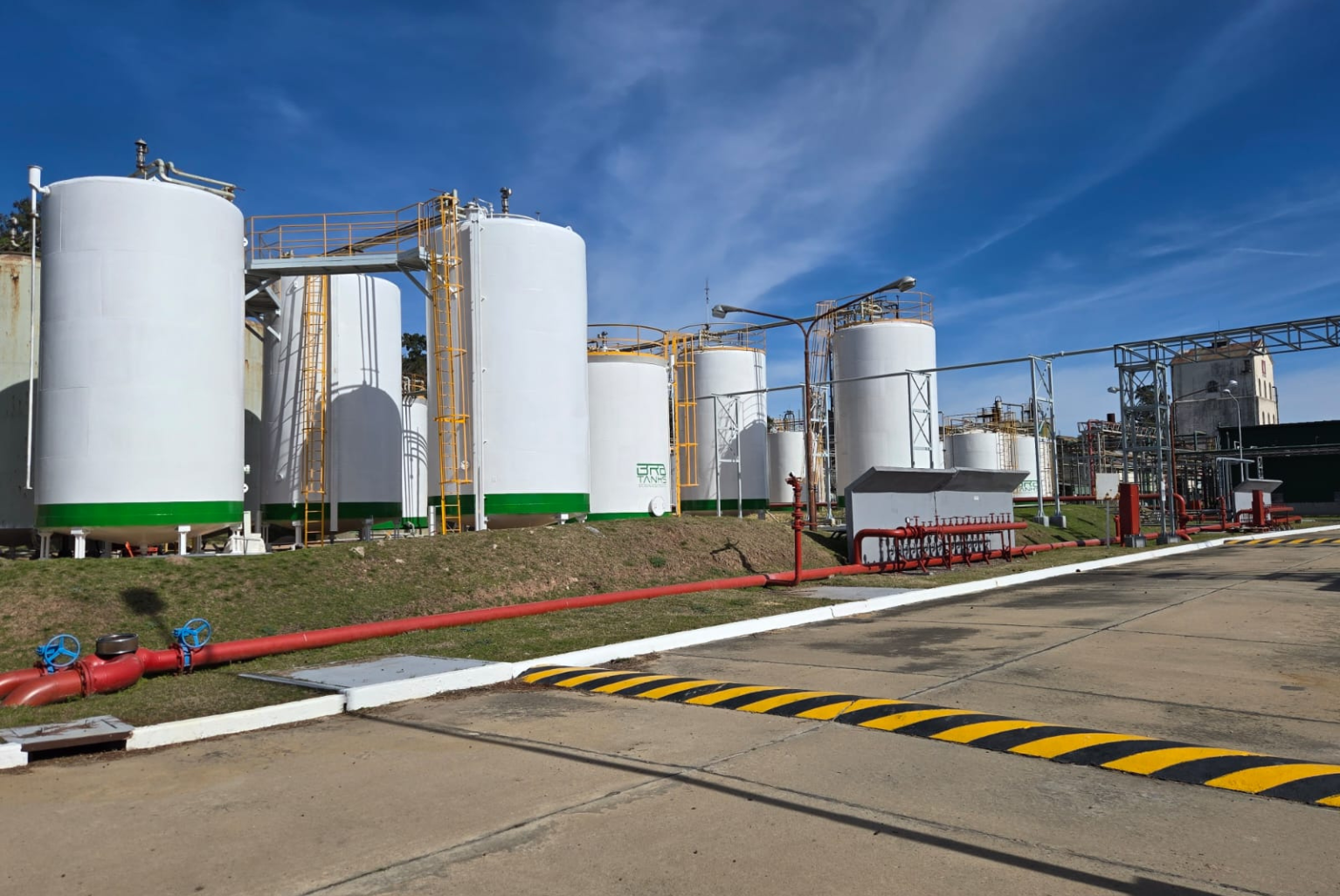
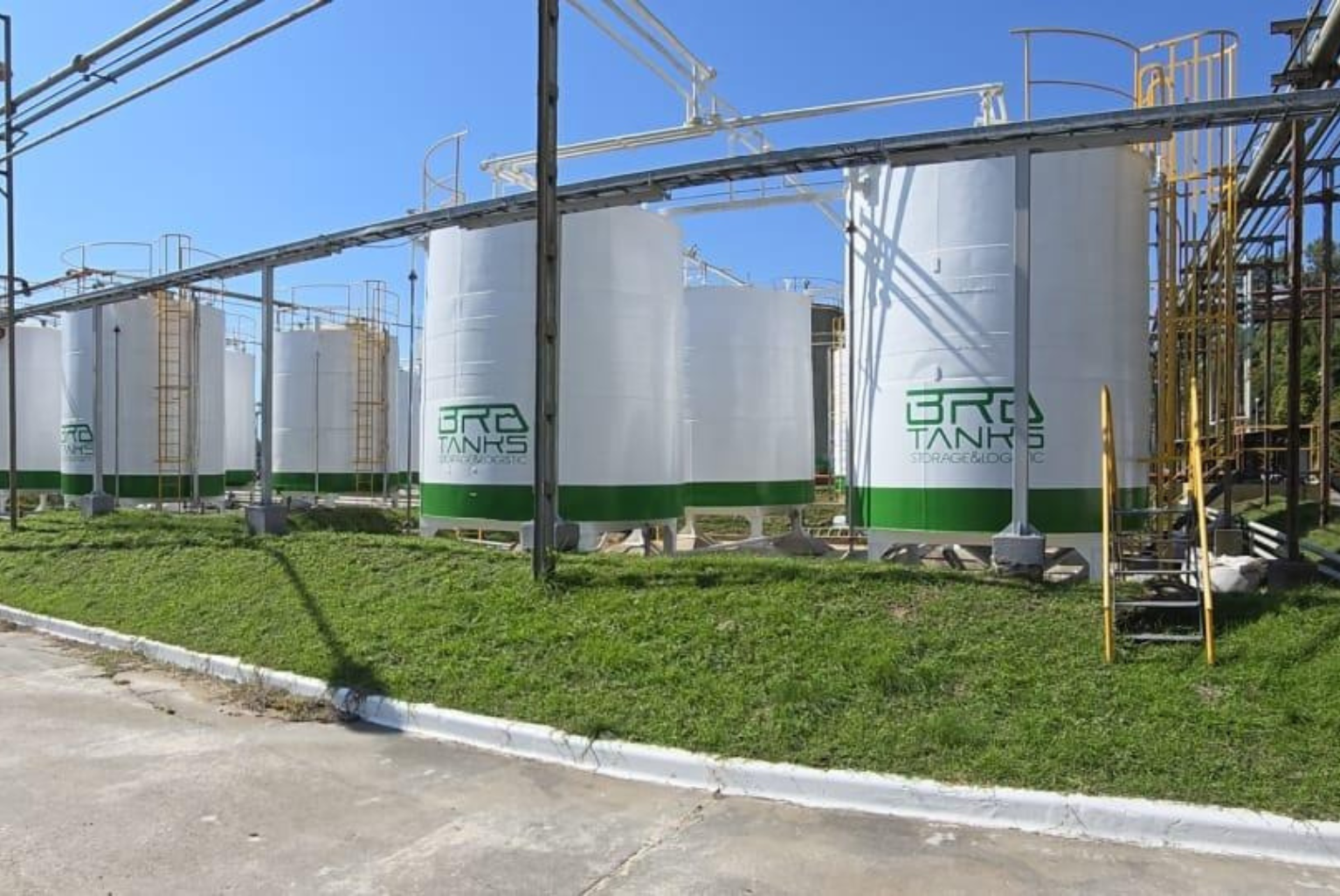
One of the points where this change becomes most evident is in the liquid storageNot all terminals have one diverse range of tank sizes, and that difference has a direct impact on the operations they can support. In particular, having smaller-scale capabilities is key for small and medium-sized enterprises, which may not always require large volumes but do need specific technical conditions.
In that segment, BRD Tanks operates with tanks of 28, 50, 110, 250, 500, 600, 2,000, and 2,500 m³ capacity, made of carbon steel or 316 stainless steel, with options for heating, blending, and fractionation, depending on the product. This diversity allows the operation to be adjusted to specific needs, without standardizing the treatment of the liquids.
The same criterion applies to storage of solids. The company has ships in different sizes which, taken together, they reach 3,000 m², which allows the space to be adapted according to the type of product, volume, and logistics dynamics.
The versatility of the infrastructure is complemented by strategic location of the site, in Baradero, within the CABA–Rosario corridor, with easy access to ports and the agro-industrial hub—a factor that directly impacts operational efficiency.
The proposal is rounded out by integrated logistics services which include the receipt, storage, and dispatch of products; inbound and outbound operations using tanker trucks, isotanks, flexitanks, and bins; as well as complementary processes such as blending, heated lines, and product partitioning (fractionation). This integration makes it possible to simplify operations and reduce the need for multiple providers.
In parallel, the terminal has operational infrastructure that facilitates the flow of logistics, such as a truck scale, internal concrete roadways, and a parking area, along with a security scheme that includes 24-hour surveillance, a closed-circuit camera system, and perimeter control.
This model is particularly relevant for companies with small to medium-scale operations, where efficiency is not a matter of scaling up infrastructure, but rather of having solutions tailored to specific needs. In this context, the combination of various tank sizes, a range of surface options for solids, and integrated services becomes just as critical as the total installed capacity.
With an increasingly demanding market in terms of With a market that is increasingly demanding in terms of operational precision, flexible storage is gaining ground within the agro-industrial supply chain. And in that process, versatility ceases to be a competitive advantage and instead becomes a concrete response to an increasingly specific demand.