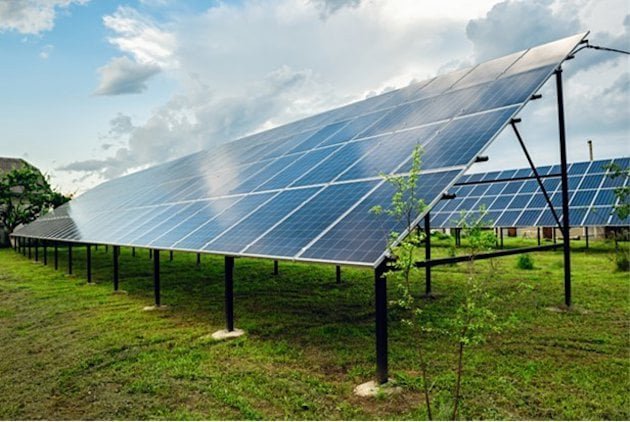
Solar PV reached a new milestone in 2024: over 2,000 GW of installed capacity globally, with more than 452 GW added in a single year. This technology already accounts for 6.9% of the global electricity and expected to exceed 5,000 GW by 2030, according to the International Renewable Energy Agency (IRENA).
At Argentina, progress is also significant. In February 2025, installed solar capacity exceeded 1,829 MW, with projects such as the Cauchari park (300 MW) and new initiatives in provinces such as San Juan and Chaco standing out. In addition, distributed generation grew by 92% in 2024, with 2,290 generating units connected (Energy Secretariat and CAMMESA).
This growth reflects not only a commitment to sustainability, but also an opportunity to strengthen domestic industry and develop a cleaner and more resilient energy matrix.
In this context, aluminium is positioned as a key material for photovoltaic structures. Lightweight, corrosion resistant, durable and 100% recyclable, aluminium allows for fast, safe and low maintenance installation.
Hydro Argentina offers advanced solutions in aluminium profiles for solar systems. Its structures are designed for applications in roofs, floors, facades and marine environments, facilitating installation without drilling and optimising system efficiency through integrated drainage. The systems «click-and-plug» and parts reduction speed up installation and reduce the need for skilled labour, making each project more efficient. In addition, through EcoDesign, profiles are developed using the least amount of material without compromising strength and durability. Aluminium's light weight reduces structural load and logistical costs, while its high corrosion resistance ensures a long service life even in demanding environments.
«Every day we see how companies, governments and industries are looking for cleaner energy solutions, and aluminium is a real enabler of this transformation. At Hydro Argentina, we offer high-performance profiles designed to maximise the lifetime, reduce maintenance and optimise the structural efficiency of photovoltaic systems», highlights Victoria Wasserman, Commercial Manager of Hydro Argentina.
«At Hydro, we are committed to sustainable solutions that accelerate the energy transition. Aluminium is a key material in this process because of its durability, light weight and recyclability. Our PV structures are designed to ease installation and reduce operating costs without compromising on quality or strength, added Gonzalo Farias, Business Development Manager, Industrial Market, Hydro Argentina.
Applications include roof support systems, ground structures, battery storage solutions and inverter heat sinks. Each component is designed for a specific simple installation, maximum durability and lower carbon footprint. Surface treatments such as anodising and lacquering not only improve mechanical strength, but also offer electrical insulation, reflective properties and long-lasting aesthetics, ideal for outdoor and residential applications.
Hydro Argentina reaffirms its commitment to a sustainable energy matrix, providing cutting-edge technical solutions that accompany the deployment of solar energy throughout the country.